Wall Street closes at a record for the first time since end of January
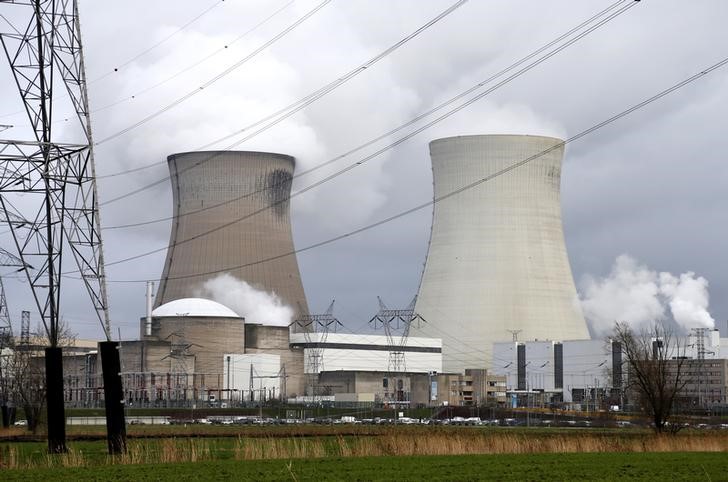
Investing.com -- The ongoing conflict in the Middle East is fundamentally altering the global energy security narrative, shifting the spotlight from volatile hydrocarbons to the structural resilience of nuclear power, according to a report from Bernstein.
Analysts argue that while 20% of global oil and LNG volumes are currently "exposed" to physical disruption at maritime chokepoints like the Strait of Hormuz, uranium remains uniquely insulated from such logistical "straitjackets."
The logistical advantage of uranium
Bernstein highlights a stark contrast in the physical requirements of global energy sources. The world relies on the large-scale, continuous maritime transport of fossil fuels, which are bulky, making them highly sensitive to regional wars.
However, uranium is a compact, high-value commodity with minimal transport needs. Global reactors consume only about 0.6 million pounds of uranium per day, a volume that can be moved in just a few train cars, compared to the millions of barrels of oil required to maintain global stability.
This logistical flexibility makes nuclear energy far less vulnerable to the acute transport disruptions currently plaguing the Persian Gulf. As governments re-emphasize energy independence in the face of the Iran war, the "compactness" of nuclear fuel is becoming a primary strategic asset.
Unlike LNG or oil, which face immediate supply shocks if a single waterway is blocked, the uranium supply chain is structurally differentiated and remains largely undisrupted by the current geopolitical tensions.
Uranium as a hedge against geopolitical fragility
The report suggests that the "Iran War" may serve as a major catalyst for global nuclear momentum. With hydrocarbon markets increasingly viewed as fragile and susceptible to "hostage-taking" at key straits, uranium offers a path toward energy "without a straitjacket."
The global shift is expected to accelerate investment in nuclear infrastructure as nations seek to decouple their power grids from the uncertainties of maritime energy routes.
Investors view the shifting energy preferences as a potential pivot point for the uranium sector. While conventional energy markets grapple with a "war-risk premium" and supply chain snarls, the nuclear industry is being re-evaluated for its ability to provide stable, baseload power without the logistical overhead of fossil fuels.
As the conflict persists, Bernstein expects the distinction between "transport-heavy" and "transport-light" energy sources to drive significant capital reallocation toward the nuclear transition.
